Back to School! School Bus Safety

July 31, 2026
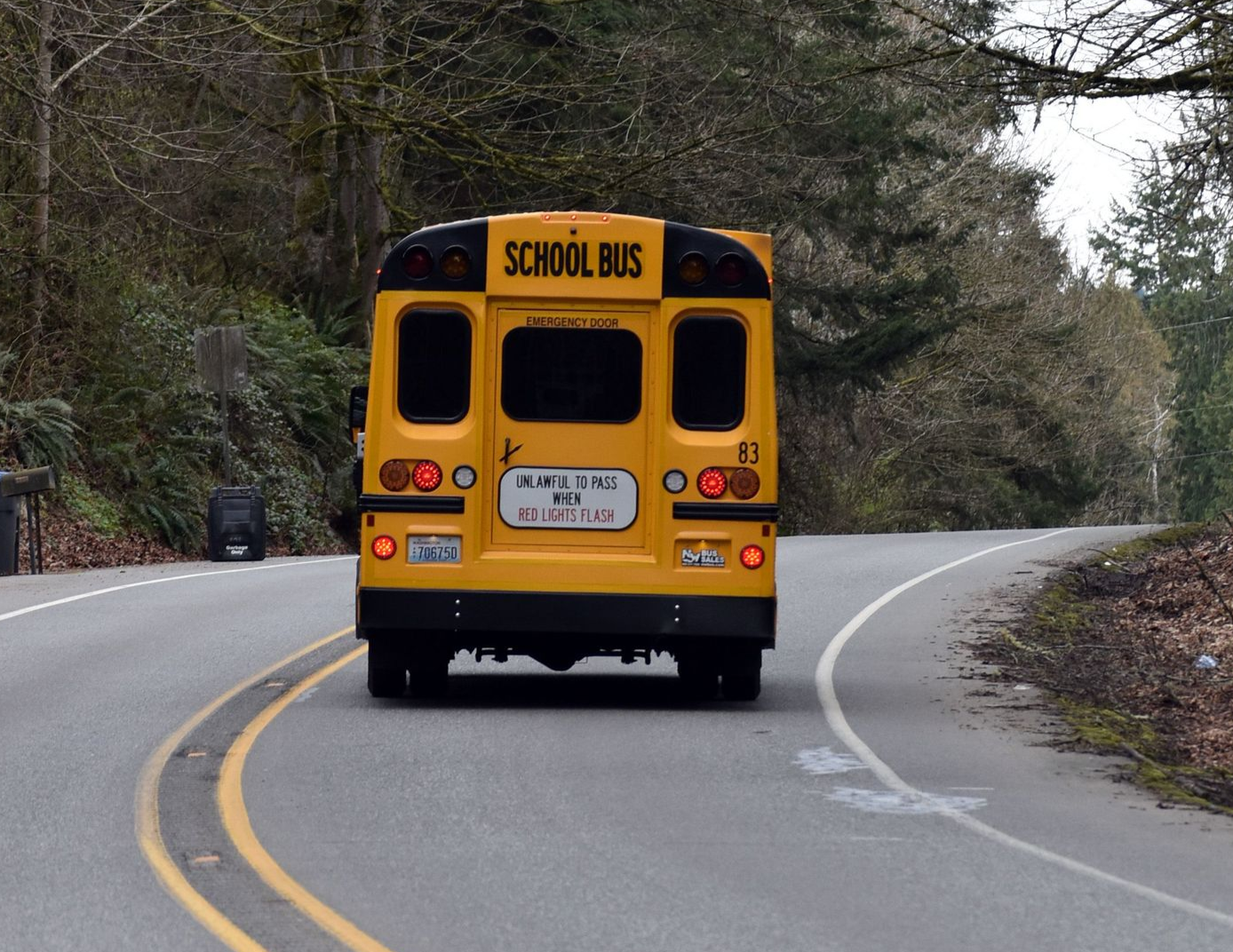
September means back-to-school season for many children across New York State. Whether you’re sharing the road during your morning commute or sending your children to school, it is important to understand the safety expectations and laws regarding school buses. 


Keep Students Safe on the Roadways


In New York State, drivers must stop for a school bus whenever its red lights are flashing and it is picking up or dropping off students.Yellow flashing lights signal that the bus is preparing to stop, so motorists should slow down and be ready to stop. According to the New York State Governor's Traffic Safety Committee, a school bus is the safest way to transport children to and from school. However, the moments when students are boarding or exiting the bus are among the most dangerous, as they are more vulnerable to serious injury. A significant contributing factor is motorists illegally passing stopped school buses, placing children at unnecessary risk during these critical moments. Here are some ways you can help ensure the safety of students on the roadway:


  • Be aware that school buses are required to stop at railroad crossings
  • Stay alert and don’t allow yourself to drive distracted.
  • Never pass a stopped school bus when its lights are flashing and its stop signs are out. This indicates that students are either getting on or off the bus


School Zone Safety Tips for Motorists


  • Always be alert
  • Be mindful of speed limits when in a school zone
  • Use extra caution during school hours - more specifically when the school is opening in the morning and closing in the afternoon as students are present in the streets and walkways.


Tips for Students


  • Look carefully both ways if you have to cross the street. The area around the school is very busy and crowded
  • Wait at the bus stop and stand away from the curb while you're waiting for the school bus.
  • While crossing the road, make eye contact with the driver and wait until the driver acknowledges you before you go in front of the bus.


We all play a key role in keeping students and motorists safe. By following school bus safety laws and staying alert behind the wheel, you can help protect children as they travel to and from school. Do your part by practicing safe driving habits around school buses everyday.


July 31, 2026
Heading to college is a major milestone filled with exciting opportunities and new responsibilities, from paying tuition and managing class schedules to deciding what to bring for your dorm or apartment. While insurance may not be at the top of your to-do list, it's an important part of preparing for this transition. Students and parents alike should take time to review their insurance coverage before the school year begins. Whether you're living in a campus residence hall or an off-campus apartment, bringing your car or leaving it at home, making sure you have the right insurance protection can help safeguard your belongings and provide peace of mind throughout the school year. Auto Insurance If your student is taking a vehicle to college, it's a good idea to review your auto insurance policy before move-in day. If the vehicle will be kept at school for most of the year, your insurance company may need to update the garaging address to reflect its new primary location, especially if the college is in a different city or state. You'll also want to make sure your policy accurately reflects who is driving the vehicle. If your student is taking a car to campus, confirm that both the vehicle and driver information are up to date. If your student isn't taking a vehicle to school, don't automatically remove them from your policy. They may still drive while home during school breaks, holidays, or the summer. Instead, ask your insurance agent if you qualify for a student-away-at-school discount , which many insurance companies offer to students who attend school a qualifying distance from home and don't have a vehicle with them. Finally, don't forget to ask about a good student discount . Many insurance companies offer premium savings for students who maintain a qualifying grade point average or meet other academic requirements. It's a simple way to help lower insurance costs while your student is away at school. Renters Insurance If your student will be renting an apartment or house off-campus, a renters insurance policy is an affordable way to help protect their personal belongings. Items such as laptops, clothing, electronics, furniture, and other valuables may be covered if they're damaged or lost due to a covered event. Renters insurance also includes personal liability coverage, which can provide financial protection if someone is injured in your student's rental or if they accidentally cause damage to the property. In addition, many landlords require tenants to carry renters insurance as part of the lease agreement. Homeowners Policy Coverage If your student will be living in a campus residence hall, some of their personal belongings may have limited coverage under your homeowners insurance policy. However, coverage limits, deductibles, and eligibility can vary, so it's important to review your policy before move-in day. Take a close look at higher-value items such as laptops, musical instruments, bicycles, jewelry, cameras, and other specialized equipment. These belongings may have coverage limitations or require additional protection through a scheduled endorsement. Before your student heads to campus, create a home inventory of everything they're taking with them. Taking photos and keeping receipts, serial numbers, and model numbers can make the claims process much easier if their belongings are ever lost, stolen, or damaged due to a covered event. Discuss your child’s specific college scenario with your insurance agent to determine if any changes need to be made to your policy or if a new policy is in need. A quick insurance review now can provide valuable financial protection and added peace of mind throughout the school year.
July 15, 2026
Owning and running a small business is one of the most rewarding - and challenging - ventures you can take on. Behind every successful restaurant, cafe, professional office or retail shop are countless hours of hard work and attention to detail. From managing daily operations and providing service to customers to overseeing employees and finances, small business owners wear many hats to keep their business thriving. While your main focus is on growing your business, it is also important to prepare for the unexpected. Business Owners Policy (BOP) Accidents, property damage, cyber attacks, lawsuits, and other unforeseen events can happen at any time. An essential part of protecting everything you have worked so hard to build is having the right insurance coverage in place. A Business Owners Policy (BOP) offers broad coverage and is designed specifically for small businesses. Core coverages include: Business Property - Protects your building, inventory, furniture, equipment and other business property from a covered loss Business Income - Helps replace lost income and provides coverage for certain ongoing expenses if your business temporarily closes due to a covered loss. Commercial General Liability - Protects against claims for bodily injury, property damage, and personal or advertising injury. Every business has unique insurance needs, which is why additional coverage options are available. These may include: Professional Liability Insurance Cyber Coverage Liquor Liability Computer Fraud Food Spoilage Outdoor Signs and Property Equipment breakdown Water backup and Sump Overflow The right insurance coverage can help protect everything you've worked so hard to build. Running a small business comes with enough daily challenges—leave the insurance to us, so you can focus on serving your customers and growing your business with confidence.
March 24, 2026
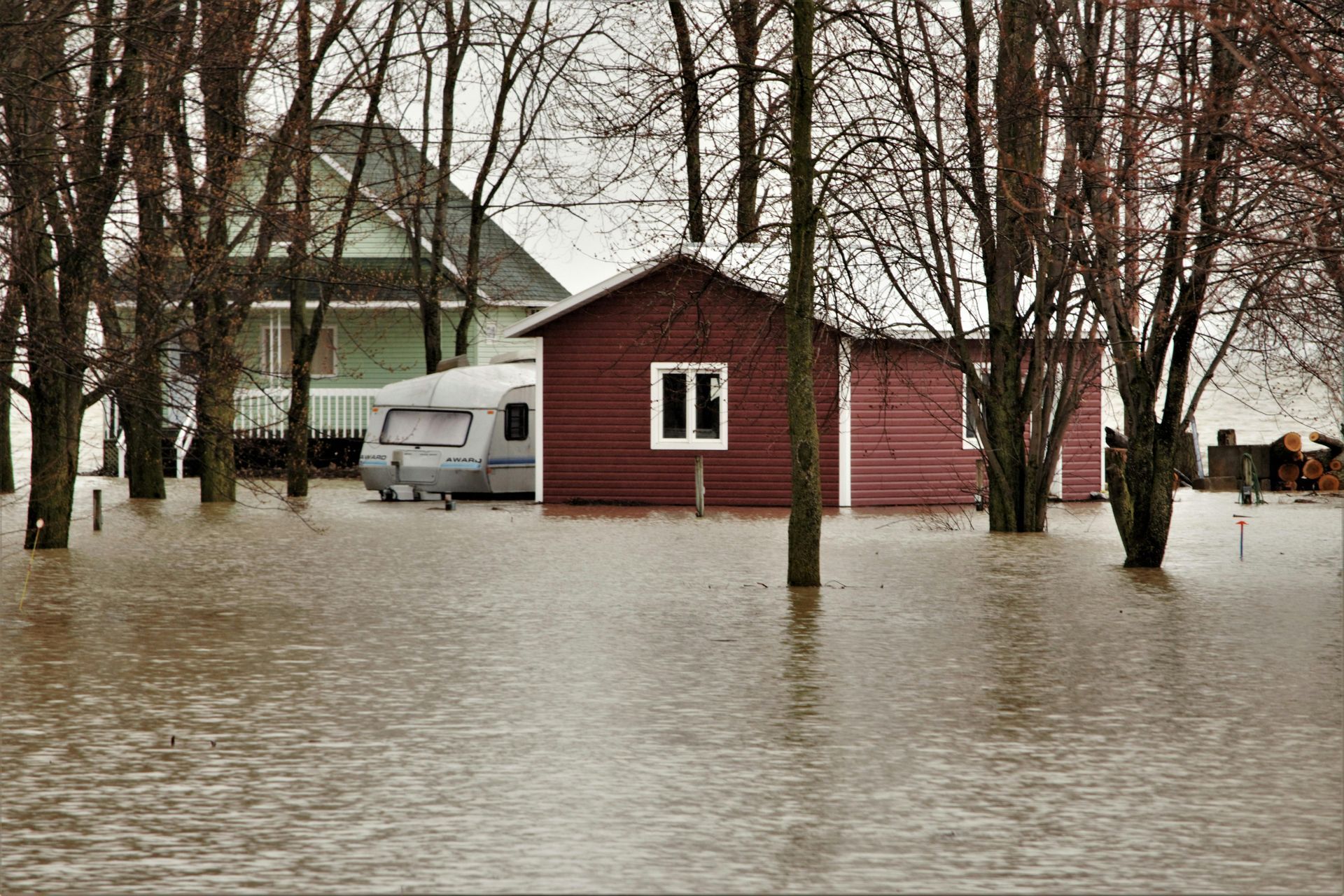
Have you ever wondered whether or not you really need flood insurance? According to the Federal Emergency Management Agency (FEMA), floods are the number 1 national disaster in the United States, with costly damage to your home and its contents arising from just a few inches of water. The National Flood Insurance Program (NFIP) states that flooding causes about $8 billion dollars in damages every year throughout the United States. Many weather conditions can cause floods including hurricanes and the rapid accumulation of rain after a wildfire, but more specific to our area in Western NYS are the results of spring thaws and heavy rains. Here are a few things to take into consideration when deciding whether or not you should buy a flood insurance policy.  Homeowners insurance does not cover flood damage , and because floods can occur anywhere, you should consider purchasing a separate flood insurance policy. The National Flood Insurance Program, managed by FEMA, and some private insurers issue flood insurance policies. You may be required to have a flood policy if you have a mortgage through a federally regulated or insured lender and your home falls in a high-risk flood area. There are a few factors that impact the price of flood insurance such as your property’s flood risk, how much coverage you purchase, and what the policy covers. For example, you can generally purchase coverage for the structure of your home up to $250,000 and up to $100,000 on your belongings. Floods can occur anywhere and are usually unexpected and unpredictable. Most policies have a 30-day waiting period and do not go into effect right away, so it’s a good idea to consider purchasing coverage before storm season begins. Talk to your insurance provider about your flood insurance needs.
February 26, 2026
Pet Insurance is not required in the way your auto and other forms of insurance can be, and investing in it is your choice. When people hear about pet insurance, they often wonder “what is it and why would I need it?” Think about the things in your life that you feel are worthy of insuring. For example, you invest in car insurance partially because the state requires liability coverage, but also to insure from negligent drivers and accidents. You purchase homeowners insurance to financially protect your house and personal belongings, and health insurance to protect yourself- after all there is only one you. Many pet parents may feel the same way about their furry friend as they truly become part of the family! With the purchase of pet insurance comes peace of mind in knowing there is financial compensation if the covered pet becomes sick or has an accident. How Does Pet Insurance Work? Coverage for your pet is not as complicated as health insurance tends to feel, in fact it is rather simple. When you buy insurance for your cat or dog, you do not have to worry about visiting an “in-network” veterinarian. As long as the veterinarian is licensed, you can take your pet anywhere across the nation. All you have to do is visit your vet and pay the bill the way you normally would, and submit your receipts with a completed claim form. Once the claim is submitted, you will get reimbursed up to your policy’s limit. Choosing a Plan There are different coverage plans available, and choosing the right one may feel overwhelming. A few things to take into consideration are the age of your pet and the breed. Older pets are at a higher risk of getting sick or injured, and some breeds are more prone to certain illnesses and/or physical disorders than others. Coverage ranges from accident only to accident & illness plans- both have the option of adding on wellness coverage. Is Pet Insurance Worth It? Now is the time to ask yourself if pet insurance is worth it to you. When purchasing coverage, choose a policy that works for your budget as well as your animal’s individual needs. In the event of an accident or illness, is your pet covered?
December 9, 2025
As we quickly approach 2026, there are changes coming our way for the New York State DMV point system that will impact many drivers across the state. The New York State DMV uses the Driver Violation Point System to identify and take action against high-risk drivers. Points are added to your driving record for certain types of violations such as speeding, reckless driving, improper cell phone use, failure to signal and much more. The severity of the violation impacts the number of points per incident that are added to your record. There are some violations such as pedestrian and bicycle violations, parking violations, unregistered, unlicensed or uninsured operations that do not result in points. Key Changes Coming in 2026 All drivers should understand the revisions of the NYS DMV’s point system which is scheduled to take effect in January 2026.
October 31, 2025
Halloween is here and while there are fun traditions that come along with the day- such as trick or treating, carving pumpkins, decorating the house with lights and decorations- there are also risks that come to life for some drivers and homeowners. Let’s talk about some of the most common insurance claims that arise on Halloween, how you can protect yourself and your property, and why it is important to have the right insurance coverage to keep your day worry-free. Tricks Vandalism - Halloween sees a large increase in vandalism claims from spray-painted cars, smashed doors and windows to egged houses and more. If you experience vandalism to your home, car, or other property take a minute to determine how much damage there is and consider the amount of your deductible. Once you know the amount of damage in comparison to your deductible, you can decide if the cost to repair the damage is worth filing a claim. Car theft - carrying comprehensive coverage on your auto policy will help protect your vehicle if it is stolen or vandalized. Fire Hazards - If you carve a jack o’lantern for your porch, consider using a battery-operated candle rather than a fire-lit candle. Decorations can create a fire exposure, especially when they are placed too close to a heat source. According to the National Fire Protection Association “From 2019-2023 there was an average of 832 home structure fires that began with decorations per year.” Liability - Children and parents who are out and about trick-or-treating create more foot traffic on your property than any other time of the year. With an increase in foot traffic comes a higher potential of slip-and-fall incidents. Keep your walkways clear from obstacles and ensure it is well-lit to help stop accidents from occurring. Treats Park Smart - Choose a well- lit area and if possible, park in the garage or a visible place from your house. Remove valuable items from your car and make sure the doors are locked. Secure Your Home - Keep your house well-lit, check your smoke detectors to make sure they are working properly and lock your doors if you are going away. Stay Focused on the Road - Keep distractions low, put away your phone, and keep your eyes open for little munchkins who might not be watching the road. Following a couple of simple steps can help make your Halloween fun and worry-free. If an incident occurs on your property or to your property, contact your insurance agent to see if your policy can help you.
October 21, 2025
A home insurance inspection is commonly conducted by insurance companies to assess the overall condition of your property. While it may sound intimidating, it is also necessary in order to ensure the house is insured to value. The inspection also helps the company evaluate potential risks that could arise at the time of a new insurance policy or renewal of an existing policy. Who performs the inspections? After the homeowners insurance policy is written, an inspector is hired by the insurance company to visit the property and take notes, photos and measurements. Depending on the situation and the company, they may allow your insurance agent to take the photos and submit them directly to the company. What does an inspector look for? In most cases the inspection is exterior, but in some cases the company will request for an interior inspection to be completed. The critical areas include the electrical, plumbing, roof and structure and HVAC system, but they will also look for potential red flags that may increase the chance of a claim. Additional details they will focus in on include: Water damage Signs of mold or mildew Animal infestation Rot or decay Cracks in the foundation Chimneys and fireplaces If you are receiving a discount on your policy such as a home security system, the inspector may also look for that verification. What do you need to do after the inspection? After the inspection is completed, you may be notified if there are some issues that need to be corrected. They will give you a certain amount of time to make the improvements or to make changes to the insurance policy. Anytime a new policy is written or as the 3-year renewal approaches, the company may be inclined to complete an inspection. It is always best to reach out to your independent agent with any questions and or concerns.
April 24, 2025
Coverage A: Dwelling Dwelling coverage protects your house and permanently attached structures such as an enclosed porch or garage. Coverage B: Other Structures Separate structures on your property such as a detached garage, shed, pool house, guest house or gazebo are protected under this coverage. Coverage C: Personal Property This part of your policy protects your personal belongings, with a few limitations that you should know about. The standard homeowners policy will place a specific limitation of coverage on certain items such as jewelry, furs, firearms as well as a few other belongings unless they are specifically “scheduled” on your policy. Unless you select the replacement cost option, a standard policy will pay for items that are damaged, lost or Stolen on an actual cash value basis (original value less depreciation). Certain personal property are excluded under your policy such as: -personal property of a tenant -paper records or drawings -software or disks -animals, birds or fish -aircraft or aircraft parts It is important to read the exclusions and limitations outlined on your policy. Coverage D: Loss of Use This part of your policy provides protection for the additional living expenses after a loss to be able to maintain your normal standard of living. Coverage E: Personal Liability Liability insurance covers you for money up to your policy limits if the court finds you responsible for damage to another person’s personal property. Coverage F: Medical Payments to Others Medical payments insurance is homeowners coverage that compensates others who are injured while on your property or others whom you accidentally injure. This coverage excludes anyone who lives in your household.
By Kristine Partridge March 13, 2025
Before hitting the open road on your motorcycle this season, you need motorcycle insurance coverage that you can count on. Whether you need a policy with liability coverage only or a policy that fully covers your bike, we have something for you! Let’s take a look at the coverages available on a motorcycle insurance policy. Required Coverages Liability: Similar to your auto insurance policy, New York State requires all registered motorcycles to carry bodily injury liability coverage in the minimum of $25,000 per person/$50,000 per accident to cover other parties’ medical bills and other related expenses if you are at fault for an accident. Property damage liability in the minimum of $10,000 is another required coverage that pays for another parties’ vehicle and property repairs if you are at fault. Uninsured/Underinsured Motorist Bodily Injury : This coverage goes hand-in-hand with the liability coverages mentioned above but instead of covering others, this coverage is for you and your passengers. The minimum limits are the same; $25,000 per person/$50,000 per accident. Uninsured/underinsured motorist coverage safeguards against motorists who do not carry enough insurance to cover you or your bike if you’re hit by another drive. Pedestrian Personal Injury Protection : Also referred to as “no-fault insurance” the pedestrian personal injury protection covers medical and other related expenses for injuries incurred by a pedestrian that result from motorcycle, regardless of fault. The minimum requirement in New York State is $50,000. Optional Coverages Comprehensive coverage : provides protection for things that are often out of your control including theft, vandalism, hitting an animal, fire and weather-related damage. Collision coverage : covers your prized possession if it strikes another object or vehicle, regardless of who is at fault. Other coverages : check with your carrier to see if roadside assistance, accessory coverage, medical payments, and total loss coverage are available on your policy.
By Kristine Partridge October 9, 2024
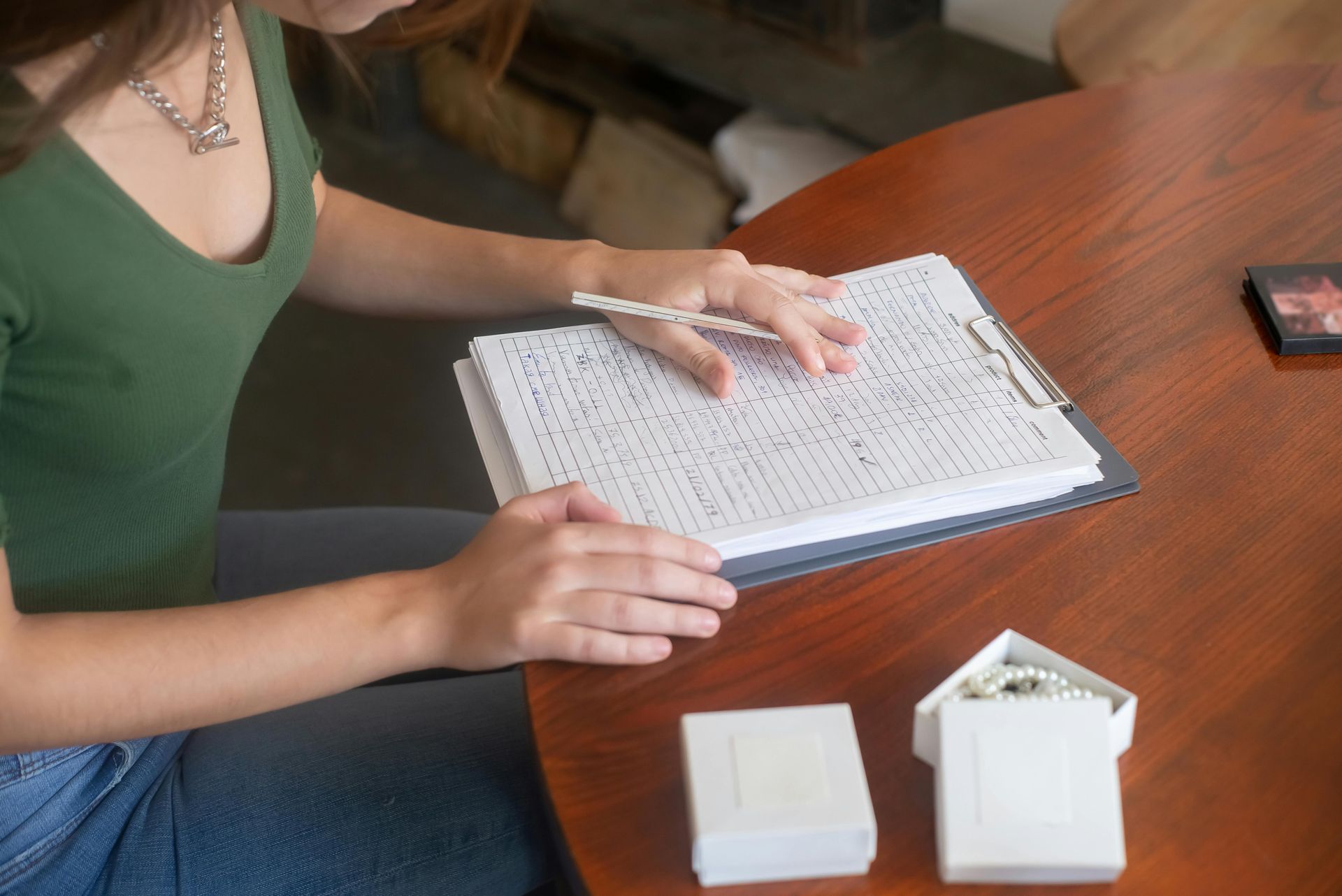
A home inventory can help you determine whether your policy is providing enough personal property coverage and may help save time and stress when filing a claim. If your personal belongings are destroyed, damaged or stolen from a covered claim, a detailed checklist of what you lost will be an excellent resource for you and your insurance adjuster. What should I include on my checklist? Many insurance companies have a template accessible with the details that should be included on your home inventory checklist. This information includes the name of your items, purchase price, when and where you bought it, as well as other details such as make/model and serial numbers (if applicable). Steps to creating a checklist  Choose a method-you can handwrite your worksheet or you can complete it on a phone, tablet or computer. Take pictures Begin with valuables- think about the items that are the most costly to replace (such as collectibles, appliances, furniture, antiques, electronics, etc.) Consider an insurance rider for items such as jewelry, firearms and fine art to ensure adequate coverage Creating a home inventory can save time in the event of a claim and help ensure your belongings are covered properly. Remember to save receipts, be specific in your item descriptions and save photos with your checklist in a secondary location… such as with your agent! We are here to help you with all of your insurance questions and needs 607-324-0455